 For a better experience on Cayman Socity Of Architects Surveyors & Engineers, update your browser. For a better experience on Cayman Socity Of Architects Surveyors & Engineers, update your browser.

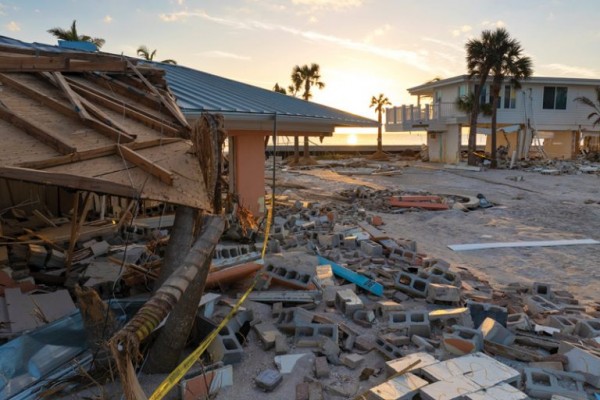
One of the most expensive decisions on a construction project is often the cheapest option.
Not because the price was wrong.
Not because the contractor underperformed.
But because a cost-saving measure removed something that the building needed to withstand the
environment it was built in.
In the Cayman Islands, resilience is often one of the first casualties when project budgets come under
pressure.
Each change may look insignificant in isolation.
Each may even be justified as good value engineering.
Until the day it isn't.
The problem is that the cost of resilience is visible during construction. The cost of not being resilient
may not become apparent for years, or until a single severe weather event exposes the weakness.
As quantity surveyors, our role is not simply to find savings.
It is to help clients understand the difference between reducing cost and transferring risk.
There is a significant difference.
The cheapest building to construct is rarely the cheapest building to own.
For Cayman developers, investors and lenders, the real question should not be:
"How much can we save?"
It should be:
"What risk are we accepting in exchange for those savings?"
Because every cost reduction has a price. The best project teams understand that before the first shovel
goes into the ground.